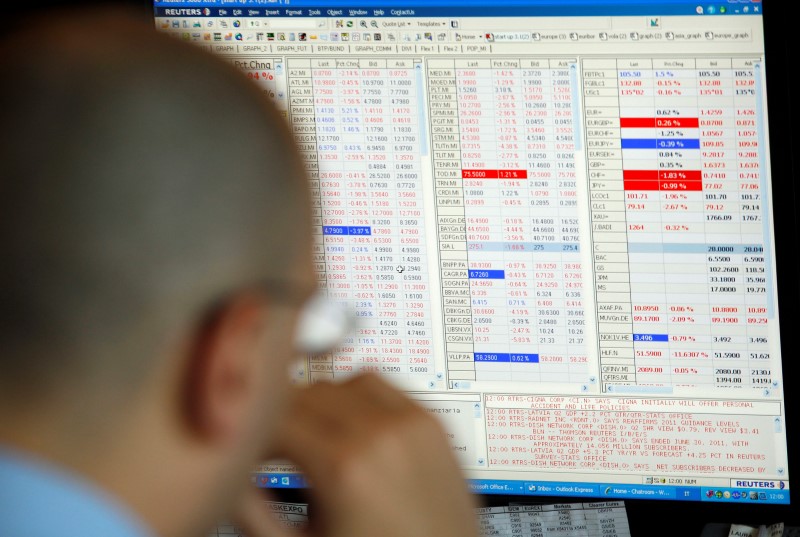
UBS has maintained its neutral stance on U.S. equities while raising its price targets for the S&P 500, citing strong second-quarter earnings and improved economic conditions.
The investment bank increased its year-end S&P 500 target to 6,600 and its June 2026 target to 6,800, up from previous forecasts. UBS also raised its earnings per share estimates to $270 for 2025 (representing 8% growth) and $290 for 2026 (7.5% growth).
According to UBS strategists David Lefkowitz, Nadia Lovell, and Matthew Tormey, US stocks have recently hit all-time highs driven by better-than-expected second-quarter earnings, reduced trade tensions, and increased likelihood of a Federal Reserve rate cut in September.
The S&P 500 stood at 6,449 as of Monday, with UBS maintaining that the bull market has further room to run despite its neutral rating.
Second-quarter earnings season proved particularly strong, with S&P 500 earnings growing at 8%, exceeding UBS’s initial 5% expectation. The “Magnificent 7” tech stocks delivered 30% growth, surpassing the bank’s 20% forecast. The median company beat estimates by 4.5 percentage points, higher than the typical 3.5 percentage point beat.
UBS noted that third-quarter guidance was also positive, suggesting no slowdown in profit growth despite tariffed goods now reaching store shelves.
The bank identified several attractive sectors including communication services, financials, health care, information technology, and utilities. UBS highlighted that AI investment spending remains intact, with key components likely supply-constrained this year.
Despite the positive outlook, UBS maintained its neutral view, noting that stocks have already priced in reduced tariff concerns, and questioning whether additional catalysts exist to push markets significantly higher in the near term.
The bank also expressed concern that pre-buying ahead of tariffs might create a temporary slowdown in coming months.
UBS outlined an upside scenario with a June 2026 target of 7,500, which could materialize with more benign tariff policies, geopolitical de-escalation, and if artificial intelligence delivers larger and earlier benefits than expected.
The downside scenario features a June 2026 target of 4,500, which could occur if aggressive tariffs trigger a US recession or if geopolitical tensions escalate significantly in the Middle East or between Russia and Ukraine.



 MY INVESTMENT NEWS
Leave a comment