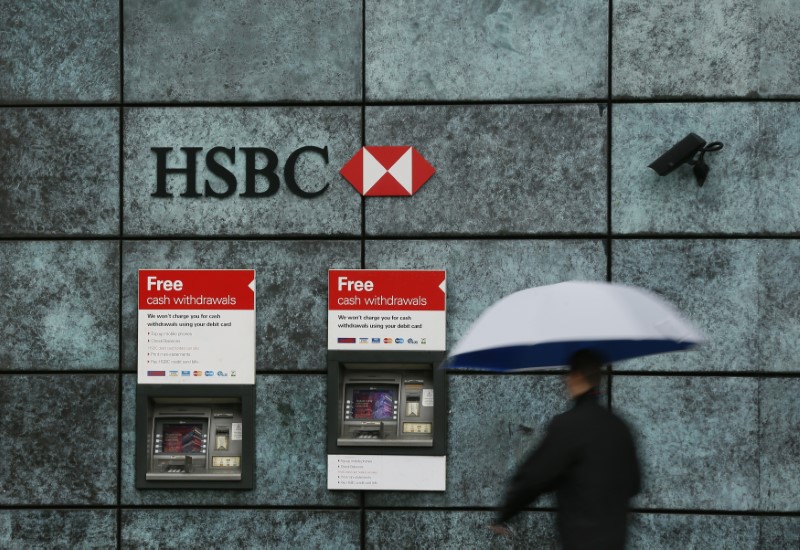
Shares of HSBC Holdings Plc (LON:HSBA), the UK-based banking and financial services group, fell more than 5% in London trading on Thursday, after the bank announced plans to take its Hong Kong unit, Hang Seng Bank, private.
Under the proposal, HSBC would acquire the remaining 36.5% stake in Hang Seng Bank at HK$155 per share in cash, valuing the deal at HK$106.1 billion (US$13.6 billion).
The offer represents roughly a 30% premium to Hang Seng’s last closing price of HK$119.
If approved, Hang Seng would be delisted from the Hong Kong Stock Exchange and become a wholly owned subsidiary of HSBC, while maintaining its brand, governance, and local identity.
J.P. Morgan notes that the privatization is intended to simplify HSBC’s operations in Hong Kong and allow the bank to concentrate more closely on the local market, which is expected to remain a major hub for wealth management.
From a financial perspective, J.P. Morgan reports that the transaction will reduce HSBC’s common equity tier 1 (CET1) capital ratio by around 125 basis points, including a gross reduction of 165 basis points partially offset by 40 basis points from the removal of non-controlling interest regulatory deductions.
To manage this, HSBC will suspend share buybacks for the three quarters following the announcement, which J.P. Morgan estimates would have totaled roughly $7 billion. This pause is intended to restore the CET1 ratio to HSBC’s target range of 14–14.5% by mid-2026.
The deal is expected to be immediately accretive to earnings per share due to the removal of profit previously attributable to Hang Seng’s minority shareholders.
J.P. Morgan flags that the overall EPS impact is broadly neutral once the effects of the suspended buybacks are considered.
Over the longer term, HSBC expects some cost and revenue synergies from consolidating operations and expanding its product offerings while continuing to operate under the Hang Seng brand.
Analysts have raised questions about the timing and capital efficiency of the transaction. J.P. Morgan notes that Hang Seng Bank reported a return on equity of roughly 11% in 2024, compared with HSBC Hong Kong’s ROTE of 38%, and that the bank carries exposure to stressed commercial real estate loans.
These factors have contributed to investor concern over the valuation and timing of the privatization.
The privatization requires approval from at least 75% of Hang Seng minority shareholders who participate in a court meeting or vote by proxy.
Completion is targeted for the second quarter of 2026. Hang Seng will also pay a dividend to minority shareholders in the third quarter of 2025, which will be offset against the total cash consideration of HK$106 billion.


 MY INVESTMENT NEWS
Leave a comment