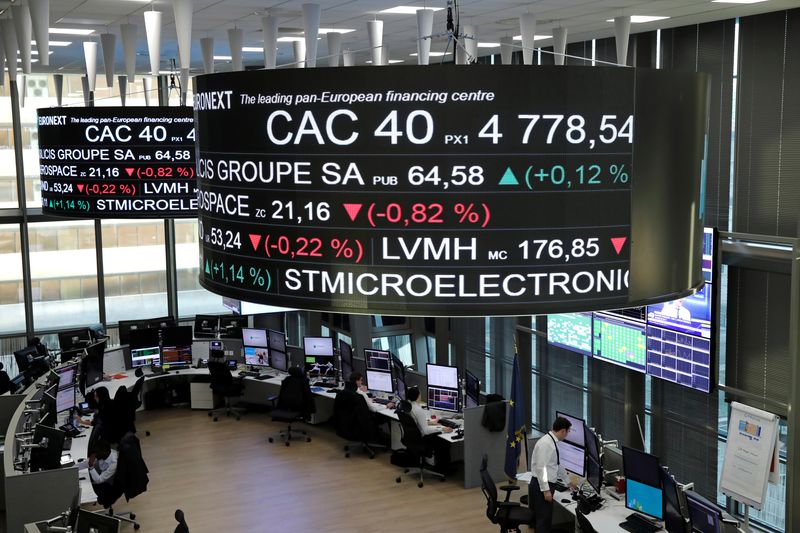
JPMorgan has turned more constructive on European utilities, citing higher commodity prices following the conflict in Iran as a key driver of both near-term earnings upside and longer-term sector re-rating, while upgrading Engie to Overweight.
The Wall Street firm had previously been cautious on the sector from the second quarter of 2026 onward, anticipating downward pressure on commodities from LNG oversupply, which it says is “clearly no longer a concern.”
The onset of the Iran conflict disrupted roughly 20% of global LNG supply, pushing month-ahead TTF prices to levels 64% above pre-war levels and lifting 2028 forward prices by more than 20%.
Analysts led by Javier Garrido describe the impact as a “true halo effect,” benefiting vertically integrated utilities through higher power prices, boosting the appeal of fixed-cost renewable generation, and reinforcing the longer-term investment case for indigenous European energy sources.
2028 TTF forwards are now around 28% above pre-war levels, and the disruption “looks unlikely to fully disappear in the foreseeable future,” the analysts said.
“This makes the sector look relatively attractive as a defensive option with resilient long term growth vs stagflation risks, with defensiveness against AI disruption coming as the icing on the cake,” they added. “We continue to favour above-average growth stocks at reasonable valuation.”
RWE and SSE remain the bank’s top picks, both rated Overweight with Analyst Focus List designations and price targets of €65 and £2,925, respectively, each implying around 13% upside.
On RWE, the analysts say the company’s generation and trading portfolio is well positioned to benefit from the current backdrop, while renewables and flexible generation capacity growth underpin a 12% EPS compound annual growth rate through 2031.
For SSE, they see the earnings growth trajectory as well supported by investments in electricity networks, adding that quality of earnings should improve over time and drive a multiple re-rating.
“We see upside risk to our estimates from the current commodity backdrop,” the analysts wrote.
The most significant rating change in the note is the upgrade of Engie from Neutral to Overweight, with a new price target of €31.50. JPMorgan described Engie as “the stock that has seen the biggest change in its equity story in the last 6 weeks.”
The analysts highlight the company’s acquisition of U.K. Power Networks as a structural turning point that reduces M&A risk, improves earnings predictability, and accelerates the group’s shift toward a pure utility model. The bank said its estimates through 2028 remain conservative, with commodity tailwinds not yet fully incorporated.
Centrica also features as a key overweight, with JPMorgan pointing to the company’s exposure to nuclear, E&P, energy retail, and gas storage as well-positioned for the current environment.
On the downside, JPMorgan maintained its Underweight rating on Fortum with a price target of €17.20, arguing that improving Nordic power market fundamentals are already more than reflected in the share price.
The bank flagged a spike in bond yields as the primary risk to the sector, warning that higher rates from an inflation shock could compress valuations, particularly for assets lacking inflation pass-through mechanisms in their regulatory frameworks.

 MY INVESTMENT NEWS
Leave a comment