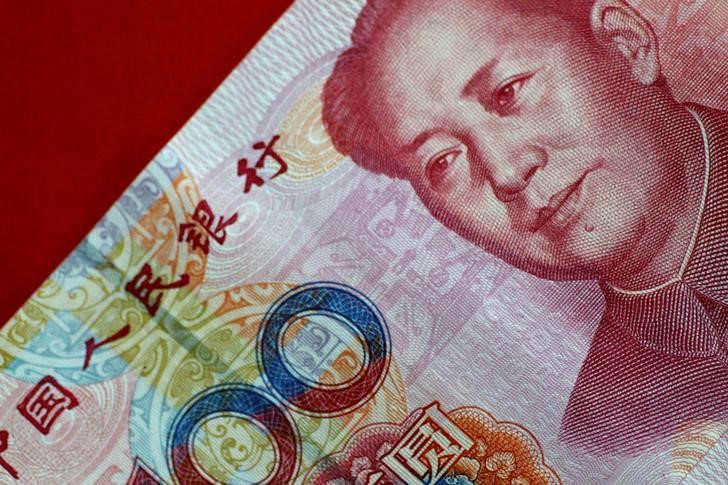
Most Asian currencies fell on Monday as stalled U.S.-Iran peace talks dampened risk appetite, although the Chinese yuan found some support after domestic inflation data came in firmer than expected.
The dollar index edged higher after robust U.S. payrolls data last week reduced expectations for near-term Federal Reserve rate cuts
Trump says Iran response ‘totally unacceptable’
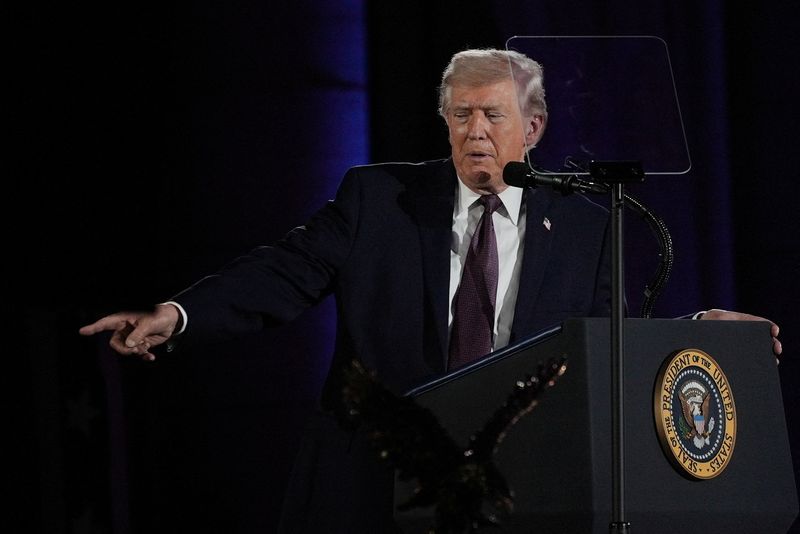
Market sentiment turned cautious after U.S. President Donald Trump called Iran’s response to Washington’s peace proposal “totally unacceptable,” dashing hopes for a near-term de-escalation in the Gulf conflict.
Oil prices surged more than 4% as traders feared prolonged disruptions around the Strait of Hormuz, a critical shipping route handling roughly a fifth of global oil flows.
Iran’s counterproposal reportedly demanded sanctions relief, recognition of limited nuclear activity and the removal of U.S. naval forces around Hormuz, while Washington had sought a ceasefire and curbs on Tehran’s uranium enrichment program.
The South Korean won led losses, with the USD/KRW pair jumping 0.9%.
The Indian rupee’s USD/INR pair rose 0.4%, while the Singapore dollar’s USD/SGD was up 0.3%.
The Australian dollar’s AUD/USD pair fell 0.3%.
China CPI, PPI beat forecasts; Trump-Xi meet eyed
The Japanese yen’s USD/JPY pair also rose 0.3%, though losses against the dollar were capped by expectations of official support after suspected intervention by Japanese authorities last week when the currency hit a near two-year low.
Analysts said Tokyo was likely still closely monitoring currency moves after abrupt yen rallies earlier this month fueled speculation of state intervention estimated at roughly $35 billion.
Meanwhile, the Chinese yuan’s onshore pair USD/CNY edged 0.1%, steadying after China reported firmer-than-expected consumer inflation and persistent producer price pressures.
The consumer price index rose 1.2% year-on-year, above expectations and up from 1.0% in March, while producer prices climbed 2.8%, the fastest pace in 45 months and sharply above forecasts of around 1.7%.
“The impact of higher energy prices stemming from the Iran war was clear in the data,” ING analysts said in a note.
Investors also focused on Trump’s scheduled visit to Beijing later this week, after China confirmed he would meet President Xi Jinping for talks expected to cover trade, Taiwan, and the Iran crisis.

 MY INVESTMENT NEWS
Leave a comment