Mediators have been maintaining an ongoing drive to forge a permanent halt to hostilities between the U.S. and Iran, as the end of a temporary two-week ceasefire later this month edges closer.
Washington and Tehran have agreed in principle to hold fresh talks, after an initial round of negotiations last weekend in Pakistan did not yield an immediate deal, according to the Wall Street Journal. Citing officials familiar with the matter, the paper said both sides have not set a time or venue for the meeting.
Vice President JD Vance is due to lead the American delegation in any future discussions with the Iranians, the WSJ said.
Defense Secretary Pete Hegseth and Gen. Dan Caine, Chairman of the Joint Chiefs of Staff, are scheduled to brief the press on the state of the conflict at 08:00 ET (12:00 GMT).
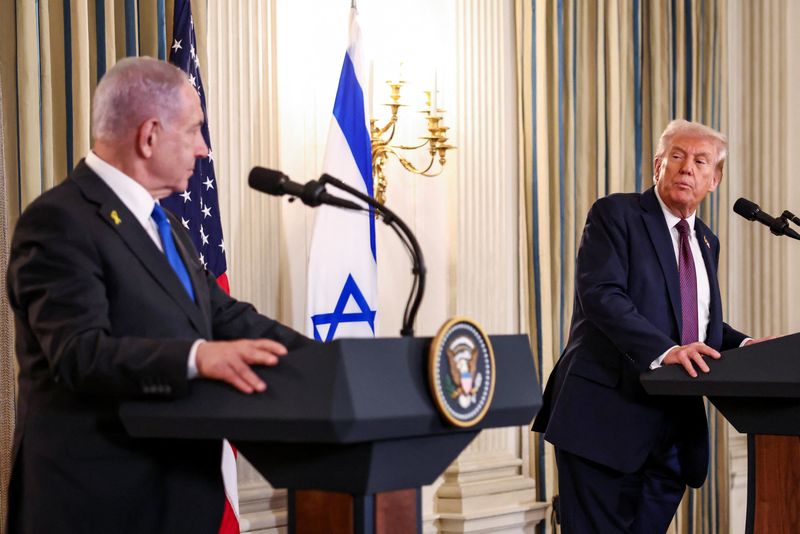
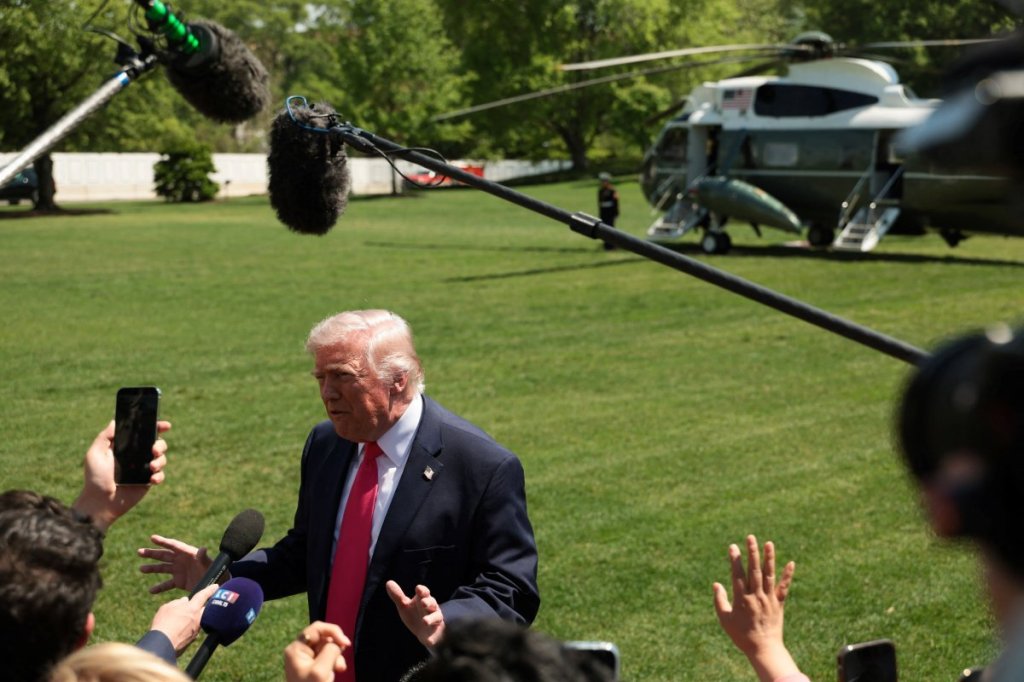
U.S. President Donald Trump has also said talks between Israel and Lebanon will take place later today, but did not offer further details.
Israel’s cabinet met to discuss a possible ceasefire with Lebanon, Reuters reported, quoting a senior Israeli official, adding that no further details on how long it would last or when it would be announced.
Citing Lebanese officials, the Financial Times has reported that a ceasefire between the two combatants, which have threatened to derail the U.S.-Iran truce, is expected “soon.”
Gila Gamliel, Israel’s Minister of Science and Technology, said that Prime Minister Benjamin Netanyahu and Lebanese President Joseph Aoun will speak on Thursday, in what will be the first time that leaders from the two countries will have spoken directly in over three decades. Gamliel said the conversation will “hopefully ultimately lead to prosperity and flourishing” in Israel and Lebanon.
However, a Lebanese official quoted by the Associated Press said they were unaware of any high-level talks with Israel.
U.S. blockade remains in effect
Still, signs of friction in the Middle East remained, most notably over an ongoing U.S. naval blockade of Iranian ports. A top military commander in Iran has warned Washington not to continue the blockade, which U.S. Central Command has claimed has not been evaded by any Iranian-linked commercial ship and oil tankers.
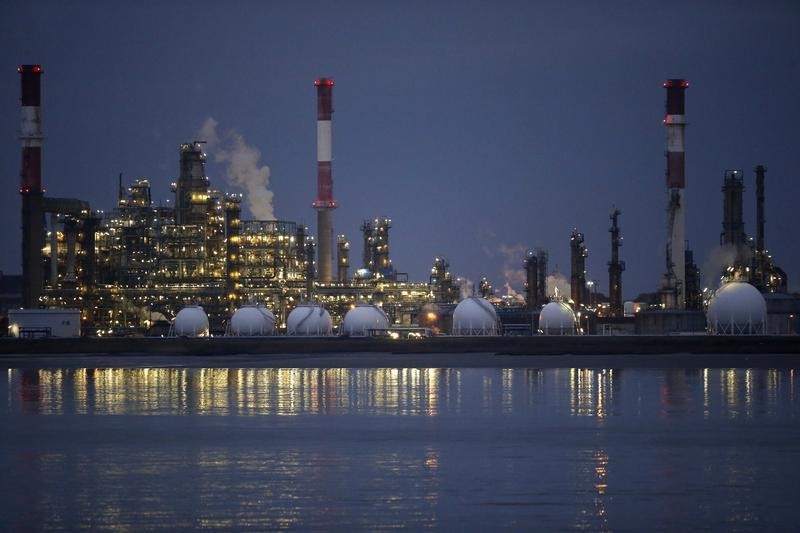
Oil prices rose marginally, sitting below the $100 threshold but still well above pre-war levels, as investors gauge the impact of a prolonged closure of the Strait of Hormuz. The vital waterway off of Iran’s southern coast has been all but closed to tanker traffic for weeks, pressuring global energy supplies and pushing up crude prices.
Equity markets have been buoyed by ongoing optimism around a potential resolution to a conflict which began with joint U.S.-Israeli strikes on Iran in late February and has since darkened the global economic outlook. However, for the U.S. at least, executives at large Wall Street banks have suggested that the wider economy remains on solid footing.
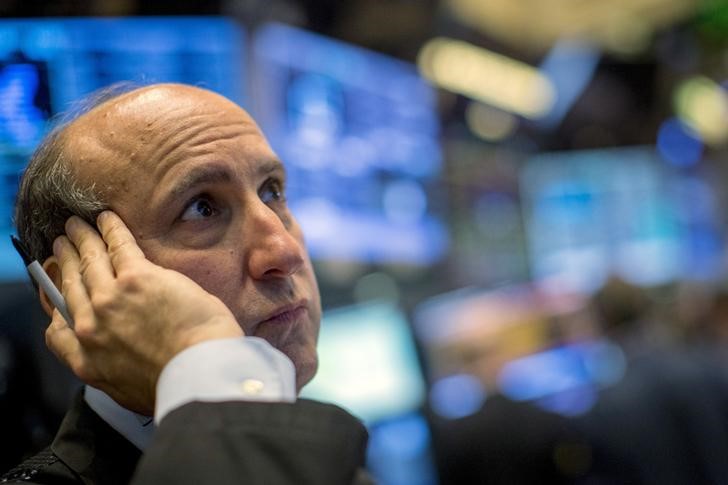
U.S. stock market futures were broadly steady, following a rally in the benchmark S&P 500 and tech-heavy Nasdaq Composite on Wednesday that pushed both indices to new record highs.
 MY INVESTMENT NEWS
Leave a comment