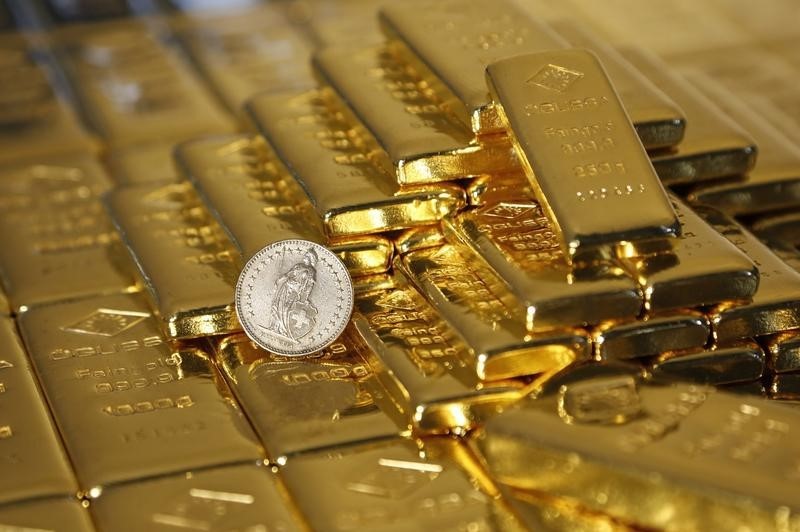
Gold prices edged lower on Wednesday, as uncertainty continued to swirl around peace talks between the U.S. and Iran, keeping to prospect of an energy-driven inflation wave and central bank interest rate hikes in play.
By 05:51 ET (09:51 GMT), spot gold had fallen by 0.4% to $4,491.28 an ounce, while gold futures dropped by 0.3% to $4,523.20 an ounce.
News outlet Al Jazeera has reported that indirect negotiations between Washington and Tehran have continued, despite an exchange of fire earlier this week. The U.S. stressed that a shaky ceasefire remained in place, although Iran has warned of retaliation should the truce be violated.
U.S. Secretary of State Marco Rubio said this week that it will take a “few days” for Washington and Tehran to reach a deal.
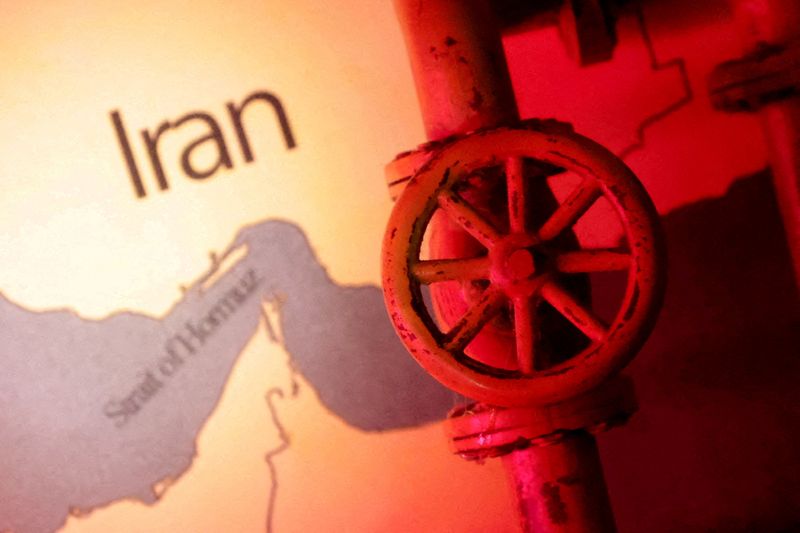
Media reports over the weekend suggested that the U.S. and Iran were close to a framework accord. The terms of the agreement included an extension to the ceasefire and a reopening of the Strait of Hormuz, a vital waterway off Iran’s southern coast through which a fifth of the world’s oil flows. The strait has been largely shuttered since the start of the war in late February, crimping oil supplies and driving crude prices higher.
Worries have abounded that this uptick in oil prices will fuel a burst of inflation in countries around the world. Expectations that central banks — including the Federal Reserve and European Central Bank — may raise rates to corral price pressures have subsequently grown.
This may not bode well for gold, a non-yielding asset which tends to underperform in elevated rate environments.
“Prices remain under pressure from elevated inflation expectations linked to higher energy prices, reducing the likelihood of near‑term rate cuts. While renewed U.S.‑Iran clashes in the Persian Gulf have added to uncertainty, markets retain some cautious optimism that a deal could still be reached,” analysts at ING said in a note.
Beyond gold, aluminum prices climbed to a four-year peak on the London Metal Exchange due to tighter supply conditions caused in part by the conflict in the Middle East. Authorities in China are also stepping up scrutiny of energy use and emissions, supporting expectations for possible output curbs in the aluminum sector, the ING analysts said, citing Mysteel.
 MY INVESTMENT NEWS
Leave a comment